
"cafe growth Korea"
100 article(s) found

Rapid growth of Korean coffee chain market
In a short time, South Korea has become Starbucks' third main battlefield after the United States and Japan, so much so that the South Korean government may try to limit the fast-growing coffee chain.
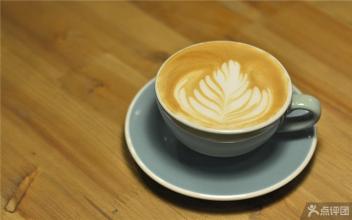
Rapid Growth of Korean Coffee Chain Market
South Korea has become Starbucks 'third-biggest battleground after the United States and Japan in a short time, so much so that the government may try to limit the fast-growing coffee chain

Rapid growth of Korean coffee chain market
In a short time, South Korea has become Starbucks' third main battlefield after the United States and Japan, so much so that the South Korean government may try to limit the fast-growing coffee chain.
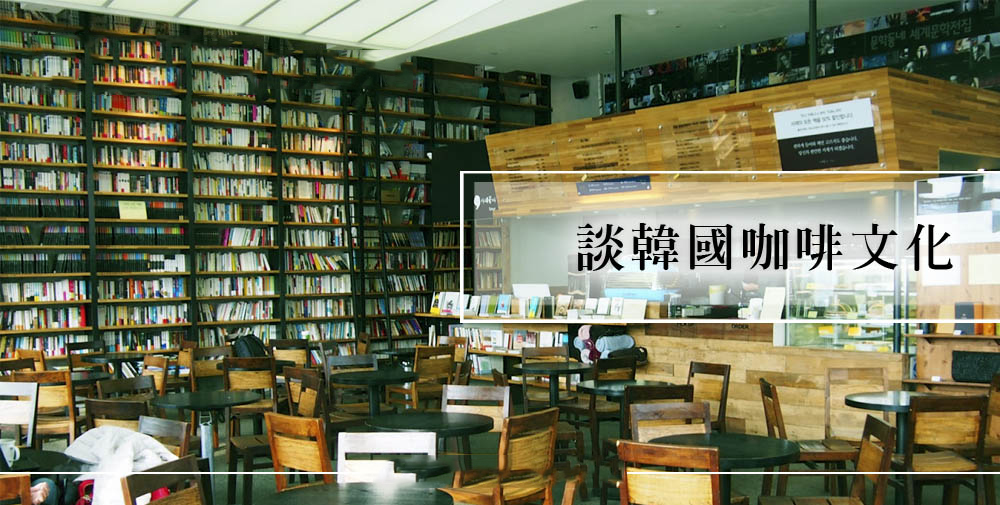
In addition to fried chicken, beer and kimchi, South Korea has an unexpected coffee culture.
The exchange of professional baristas please follow the coffee workshop (Wechat official account cafe_style) if someone asks you what the global industry in Korea is, I think you will be the first to say that it is the entertainment industry with a large number of idols. After all, their global achievements are really very eye-popping, as well as the electronics industry of well-known brands such as LG and Samsung. But it never occurred to you that they still
The "Korean Wave" of coffee consumption market is surging.
With the growth of young and fashionable people and the substantial growth of returnees and overseas travelers, coffee culture has developed rapidly in China, and cafes have become a popular place for modern urbanites to gather and relax. Statistics show that coffee consumption in China is growing at an annual rate of 10% to 15%, and the number of cafes has doubled in the past five years. Annual per capita consumption of coffee in Japan and South Korea
Coffee consumption market "Korean Wave" surging market space is huge
With the growth of young and fashionable people and the substantial growth of returnees and overseas travelers, coffee culture has developed rapidly in China, and cafes have become a popular place for modern urbanites to gather and relax. Statistics show that coffee consumption in China is growing at an annual rate of 10% to 15%, and the number of cafes has doubled in the past five years. The annual per capita consumption of coffee in Japan and South Korea has reached 3.
Blue Bottle Coffee Blue bottle Coffee opens its first coffee shop in Korea
Professional coffee knowledge exchange more coffee bean information please follow Coffee Workshop (Wechat official account cafe_style) in the early 2000, Blue bottle Coffee opened its first store in Oakland, and then quickly became popular in many cities around San Francisco Bay, and its road to online celebrity officially began in San Francisco. Blue B, a blue bottle coffee based in the United States and influenced by Japan.

Foreign media commented on the rapid growth of this coffee shop chain in China.
From Best Buy to BQ, many foreign brands and business models have met their Waterloo in China. However, the Western retail concept of foreign coffee shops, which was perhaps the least likely to succeed, has flourished in China. Despite thousands of years of tea drinking in China, coffee chains from the United States, Britain and South Korea have been able to expand rapidly in China. This coffee.
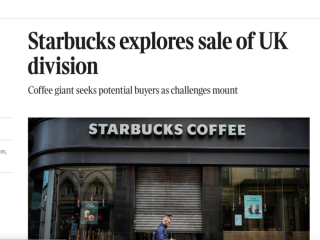
Can't stand it?! Starbucks is considering selling Europe's largest market
Starbucks is considering selling its UK business because of competition from coffee shop chains such as PretA, Manger, TimHortons and Costa, the Times reported on July 16. According to the report, a person familiar with the matter revealed that Starbucks has
The number of Korean coffee stores in the Chinese market is expected to exceed 1000 this year.
So far, South Korean coffee stores have opened more than 700 stores in China, and the number is expected to exceed 1000 this year. Korea Trade Association analysis found that since 2012, South Korean companies have entered the Chinese beverage market on a large scale, with more than 10 large-scale coffee chains in Korea. The reason for the rapid growth of Korean coffee stores in China is that the environment is comfortable and varied, which is suitable for Chinese tastes. South Korea

With the death of Korean "coffee king", it is time to talk about the success or failure of Korean coffee.
"Coffee King of Korea passed away" Coffee accompanied your founder Kang Hoon to commit suicide in the bathroom of his home in Ricao District of Seoul at 05:46 local time on the 24th. No suicide note was left at the scene. Company staff contact Jiang Xun has not responded, went to his home to find suicide, and immediately called 119 to declare. The police said: the company is in a financial crisis. Jiang Xun sent it to a friend on the 23rd.
Cafes in Korea expand rapidly
In November last year, a coffee shop called Coffee with you began to seize all the major business districts in Wuhan, and in less than two months, the number of chain stores increased to eight. Unlike Starbucks and COSTA's direct chain expansion to seize the Chinese market, the South Korean coffee chain operates mainly by joining.

The number of employees who are the first choice for youth entrepreneurship in coffee shops has increased by nearly 20% in a year.
Following Cafe Review (official Wechat account vdailycom) found that although coffee is imported from the beautiful cafe, South Korea's love of coffee is by no means lagging behind. Not only drink coffee frequently, Korean youth also regard coffee shop as the first to start a business.

From the suicide of Korean coffee Wang Jiangxun, we can see the highly competitive coffee market in Korea.
Exchange of professional baristas Please follow Coffee Workshop (official Wechat account cafe_style) many blogs and tourists say that when it comes to South Korea, you must make a pilgrimage to different coffee shops in Seoul, and different coffee shops have become tourist hotspots. Moreover, because of the Korean Wave, many chain coffee shop brands have also targeted Korean Wave products such as TV dramas and variety shows for different forms of implantability.
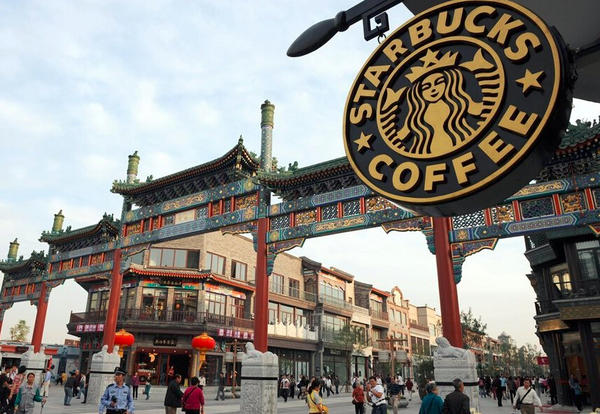
An inventory of the Development of International Cafe chains in China
From Best Buy to B & Q, many foreign retail brands have encountered a Waterloo in China, and successful business models in the domestic market cannot be replicated in China. But the international coffee chain is an exception, and although it seems least likely to gain a foothold in China compared with other retail sectors in Western countries, it has been a great success. The Financial Times made an in-depth report on this phenomenon. Although there are thousands in China

Survey: Korean adults drink an average of 377 cups of coffee a year
Professional baristas please follow the coffee workshop (Wechat official account cafe_style) according to the coffee market report released by South Korea's Ministry of Agriculture and Forestry and aT, the company ranks first in coffee-drinking places, and the market sales of coffee stores have increased by 50% in two years (photo source: Getty Images Bank). According to the survey, South Korean adults drink an average of 377 cups of coffee a year, while
An inventory of the Development of International Cafe chains in China Coffee Culture in Starbucks Coffee Market
From Best Buy to B & Q, many foreign retail brands have encountered a Waterloo in China, and successful business models in the domestic market cannot be replicated in China. But the international coffee chain is an exception, and although it seems least likely to gain a foothold in China compared with other retail sectors in Western countries, it has been a great success. The Financial Times made an in-depth report on this phenomenon. Although there are thousands in China

Surpassing Japan and South Korea, following the United States and China in terms of annual coffee sales, the second in the world.
Professional coffee knowledge exchange more coffee bean information Please follow the coffee workshop (Wechat official account cafe_style) in China, more and more people who did not drink coffee are slowly beginning to accept this drink, even the demand for it is increasing. Tea used to be the mainstream in our country, and it gradually became brown. In 1989, Nestl é launched 1-2 instant coffee in China.

Chinese people fall in love with coffee foreign coffee chains are growing rapidly in China
The picture of a Starbucks store in China comes from a report by foreign media on December 30 that many foreign brands and business models from Best Buy to B & Q have encountered a Waterloo in China. However, the Western retail concept of foreign coffee shops, which was perhaps the least likely to succeed, has flourished in China. According to a report on the Financial Times website on December 29,

Foreign coffee chains are growing rapidly in China and are becoming diversified.
According to the Financial Times, many foreign brands and business models have met their Waterloo in China, from Best Buy to BQ. However, the Western retail concept of foreign coffee shops, which was perhaps the least likely to succeed, has flourished in China. Although China has a history of drinking tea for thousands of years, coffee chains from the United States, Britain and South Korea